
How early should you start preparing for Oxbridge applications?
Your interest in applying to Oxford or Cambridge is often sparked earlier than you might expect, sometimes by a subject you particularly enjoy, a conversation at school, or simply the sense that Oxbridge might be worth considering.
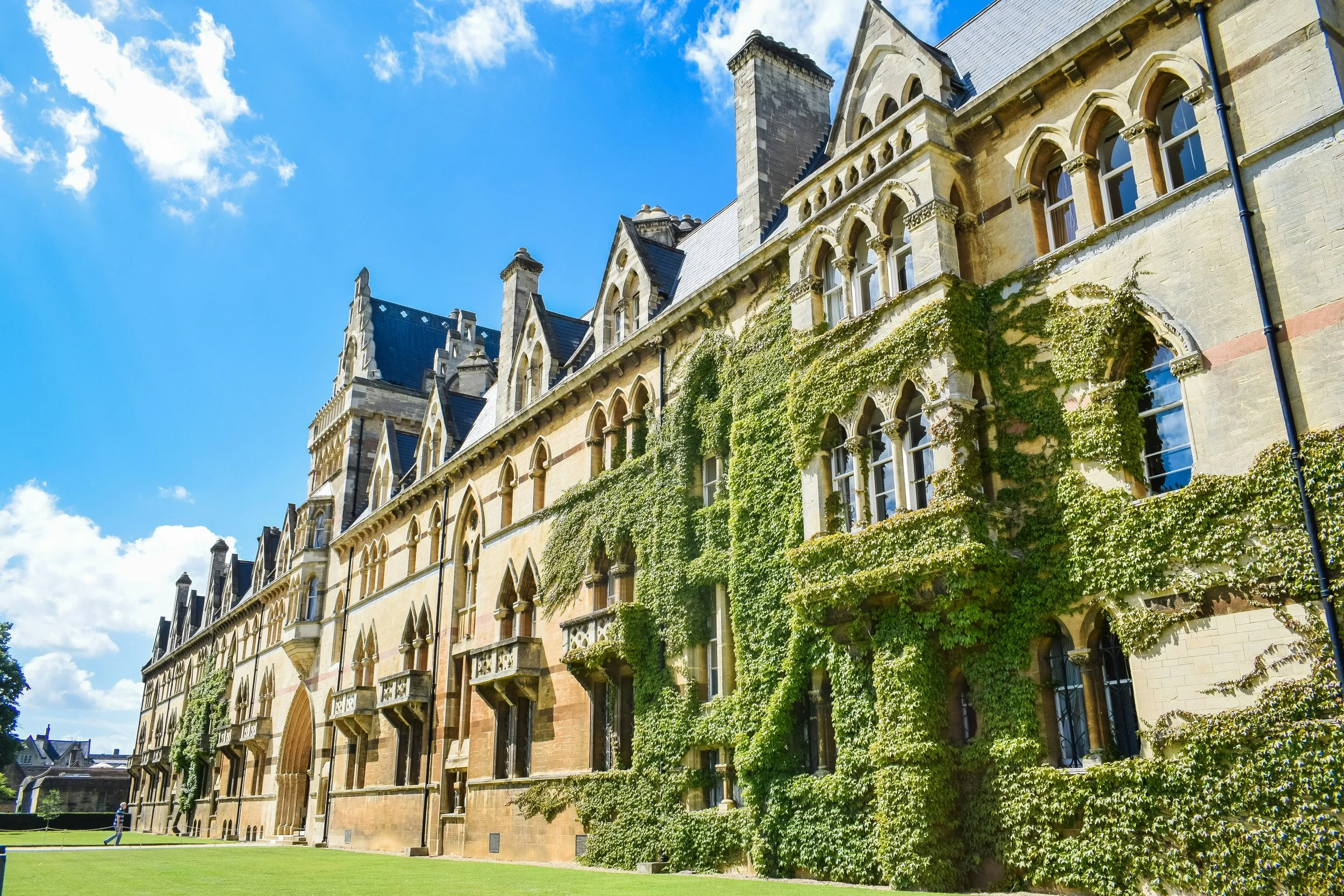
Photo by Darya Tryfanava on Unsplash
Once that thought appears, the question usually follows: how early should preparation actually begin?
There is no single answer. You may know for several years that you want to apply, or you may only begin considering it seriously during sixth form. What matters more than timing is how your preparation develops. Strong Oxbridge applications rarely come from a few months of last-minute effort. More often, they reflect a longer period of curiosity and engagement with a subject.
Oxford and Cambridge admissions interviewers are not simply looking for students who perform well in an application process. They are trying to identify genuine academic potential, students who enjoy exploring ideas, questioning assumptions, and thinking carefully about problems in order to find original solutions.
Start with the subject itself
The earliest stage of preparation is usually less about strategy and more about curiosity. Even before sixth form, this may simply mean noticing which subjects genuinely hold your attention. Which topics do you enjoy discussing? Which ideas do you want to explore further?
Reading beyond the syllabus, attending lectures, listening to academic podcasts, or exploring subject-related books can all help develop this interest. None of this needs to be highly structured: the aim is simply to begin engaging with the subject more deeply.
Developing subject depth
For most students, more focused preparation begins towards the end of Year 11 and as you enter Year 12. By this stage, you will usually have a clearer sense of the subject you may want to study at university, and your subject choices begin to matter more.
Preparation then shifts towards developing depth within your subject through wider reading and active engagement with ideas.
This often begins quite simply. You might explore books beyond the school syllabus, for example, picking up something unfamiliar in a bookshop, or attending open days, public lectures, or online talks. Listening to academic podcasts or following a particular idea beyond the classroom can also be valuable.
Engagement with your subject can also take the form of discussion with teachers, peers, or through subject societies where you begin to test ideas, ask questions, and think more critically about what you are learning. These activities help you move beyond the school curriculum and engage more seriously with the ideas that underpin your subject.
For some courses, relevant work experience can also be helpful. While it is rarely a formal requirement for Oxbridge, it can demonstrate genuine engagement and strengthen your application.
Admissions tests and the application process
Many Oxbridge courses require admissions tests designed to assess reasoning and problem-solving rather than memorised knowledge.
However, this process is evolving. From 2026, Oxford will begin using a more standardised set of admissions tests developed by UAT-UK, a collaboration between Imperial College London and the University of Cambridge. These include tests such as the ESAT, TMUA, and TARA, depending on the course. One practical implication is that you may only need to sit the same test once if applying to multiple universities.
Alongside this, the application timeline is earlier and more structured than for other UK universities. Preparation often begins from May of Year 12, when you start thinking more seriously about your application.
Over the summer, this typically involves choosing your course, deciding on a college (or open application), and beginning to draft your personal statement. From early September, you can begin submitting your application, with the final deadline falling on 15 October at 6pm (BST). The weeks leading up to this are usually spent refining your personal statement, organising your academic reference, and preparing for any required admissions tests.
TL;DR: How early should you start preparing for Oxbridge?
Early enough to give yourself time to explore your subject properly. Over time, that intellectual engagement becomes the foundation of a thoughtful and competitive application.
What matters, however, is not starting as early as possible, but using time deliberately. Early exploration builds familiarity with a subject, but sustained engagement develops the ability to think clearly, form arguments, and respond to unfamiliar questions. By the time the application process begins, the strongest candidates are not simply better prepared, they are more comfortable with the kind of thinking Oxbridge demands. That confidence is rarely built in a short period of time
If you would like guidance on preparing for Oxbridge applications or developing subject depth during sixth form, you can contact the Doxa team here: https://doxa.co.uk/contact-us